Share This Article
Many of the most memorable things to do in Saint Lucia come together in the island’s south-west. Around Soufrière, you can look across the UNESCO-listed Pitons, walk through a working cacao farm, follow rainforest paths and visit steaming volcanic springs or a waterfall without crossing the island.
That concentration makes the region one of the most rewarding places for travellers deciding what to do in Saint Lucia. It also rewards a little context: Gros Piton and Petit Piton offer very different experiences, cacao here is a living crop rather than a decorative flavour, and the rainforest ranges from easy estate walks to serious guided climbs.
In this south-west Saint Lucia guide
- South-west Saint Lucia at a glance
- Why explore Soufrière and the south-west?
- How to experience the Pitons
- Discover cacao at Rabot Estate
- Walk through the rainforest
- Volcanic springs, waterfalls and gardens
- How many days do you need?
- Where to stay in south-west Saint Lucia
- Frequently asked questions
South-west Saint Lucia at a glance
| Interest | Good place to start | What makes it different | Planning note |
|---|---|---|---|
| Piton views | Rabot Estate or Tet Paul Nature Trail | View Petit Piton from the hotel; see both peaks from higher viewpoints | Choose a viewpoint rather than assuming every stop shows both Pitons |
| Cacao | Project Chocolat | Walk through a working cacao farm and make a chocolate bar | Book the experience and confirm current timings |
| Rainforest | Rabot Estate trails | Short self-guided routes through cacao groves, forest and historic estate paths | Take water and shoes with grip |
| Volcanic landscape | Sulphur Springs | Steam vents, geothermal pools and mineral mud baths | Bring swimwear and a towel for the baths |
| Waterfalls and gardens | Diamond Falls, Toraille Waterfall or Piton Falls | Colourful mineral deposits, tropical planting or warm spring water | Pick one or two rather than rushing between every site |
Opening times, trail conditions, charges and tour schedules can change. Check current details with each attraction or ask the Rabot Hotel Front Desk before setting out.
Why explore Soufrière and the south-west?
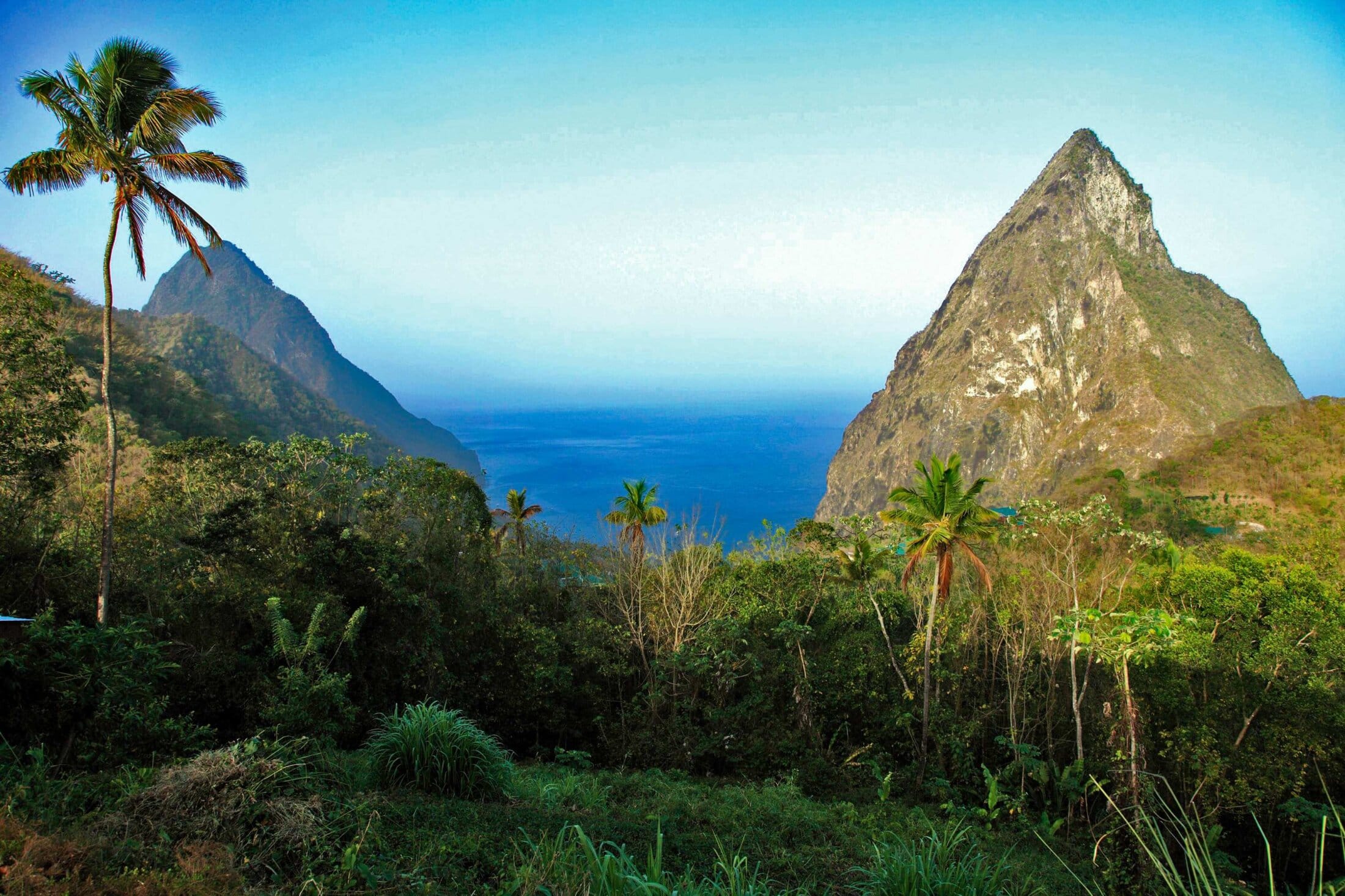
Geology explains much of what visitors see here. The UNESCO Pitons Management Area covers 2,909 hectares of land and sea near Soufrière. Gros Piton and Petit Piton are the headline landmarks, but the protected area also contains tropical forest, a geothermal field, hot springs and a substantial marine environment. Coral reefs cover almost 60% of its marine area.
This geology shapes many of the best things to do in Saint Lucia’s south-west. The same volcanic landscape produces steep forested peaks, mineral-rich water and waterfalls coloured by deposits carried through the rock. Cacao adds a human story: Rabot Estate is one of the oldest working cacao farms in Saint Lucia, and the crop still connects farming, food and tourism here.
Worth knowing: the Pitons are not simply two matching mountains. Gros Piton and Petit Piton differ in height, shape, access and climbing difficulty, while the World Heritage area extends from their forested slopes into the sea.
How to experience the Pitons
The Pitons are the region’s obvious landmark, but “seeing the Pitons” can mean anything from a relaxed viewpoint to a demanding climb. Decide how much walking you want before choosing the experience.
For a clear view: Rabot Estate and Tet Paul
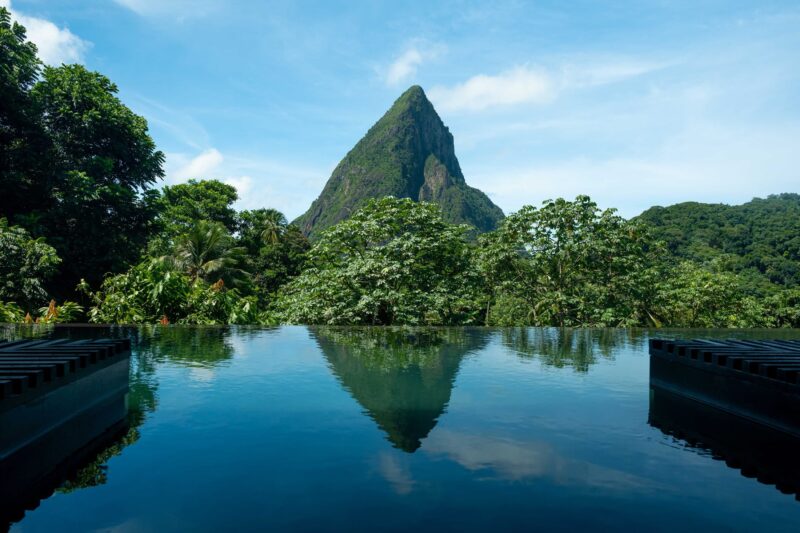
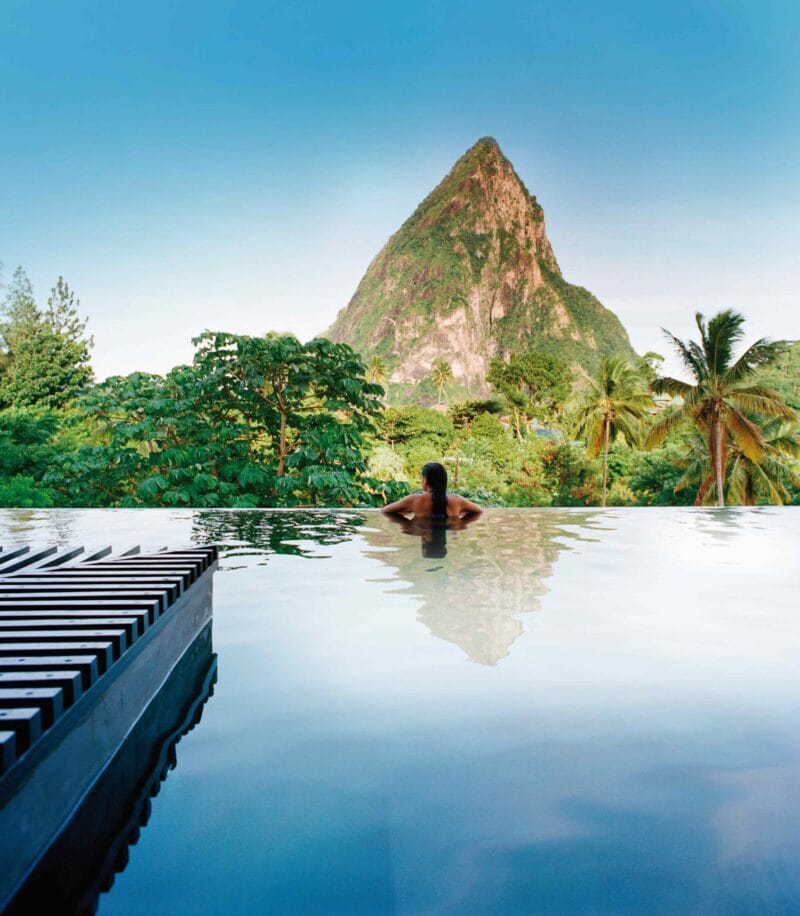
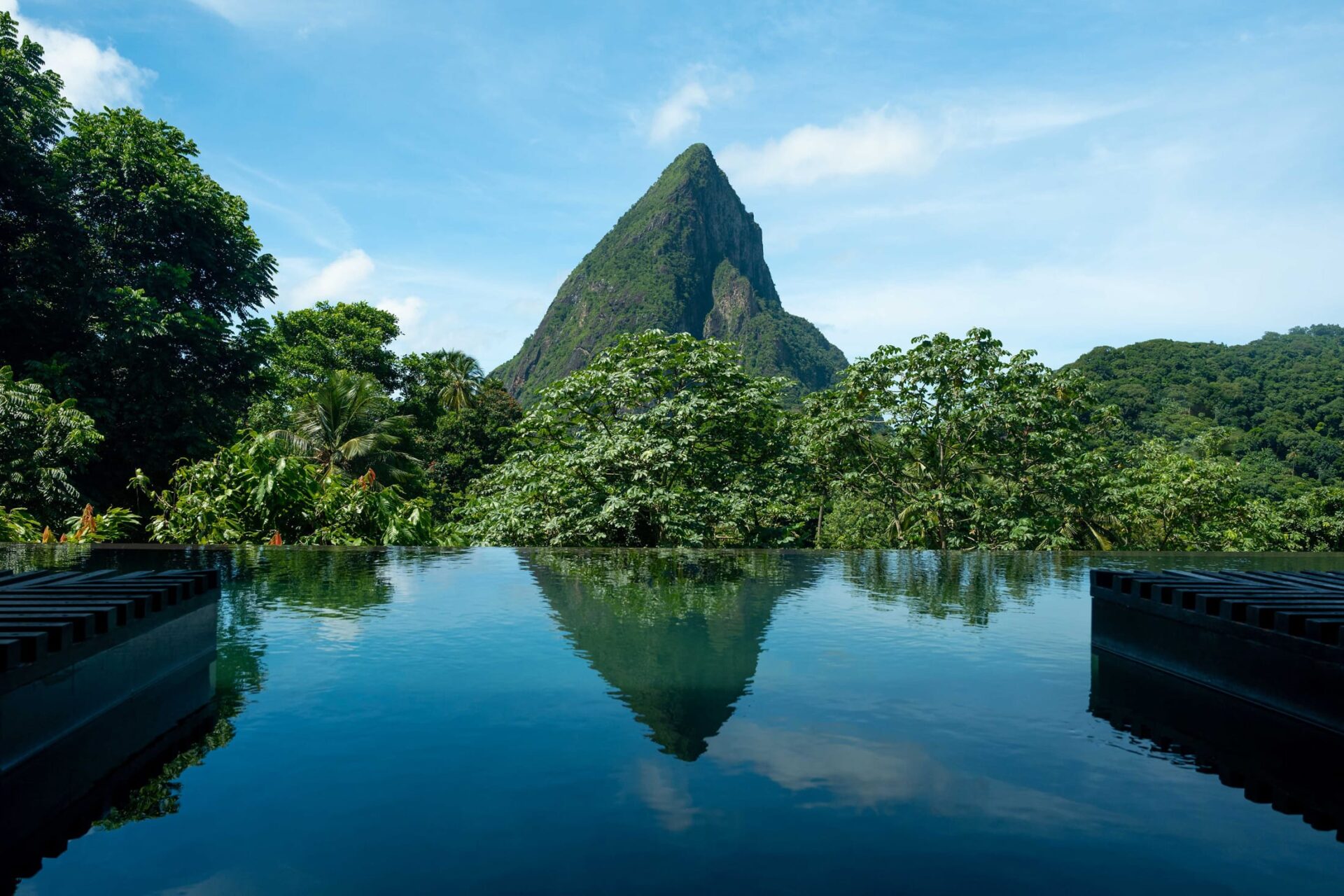
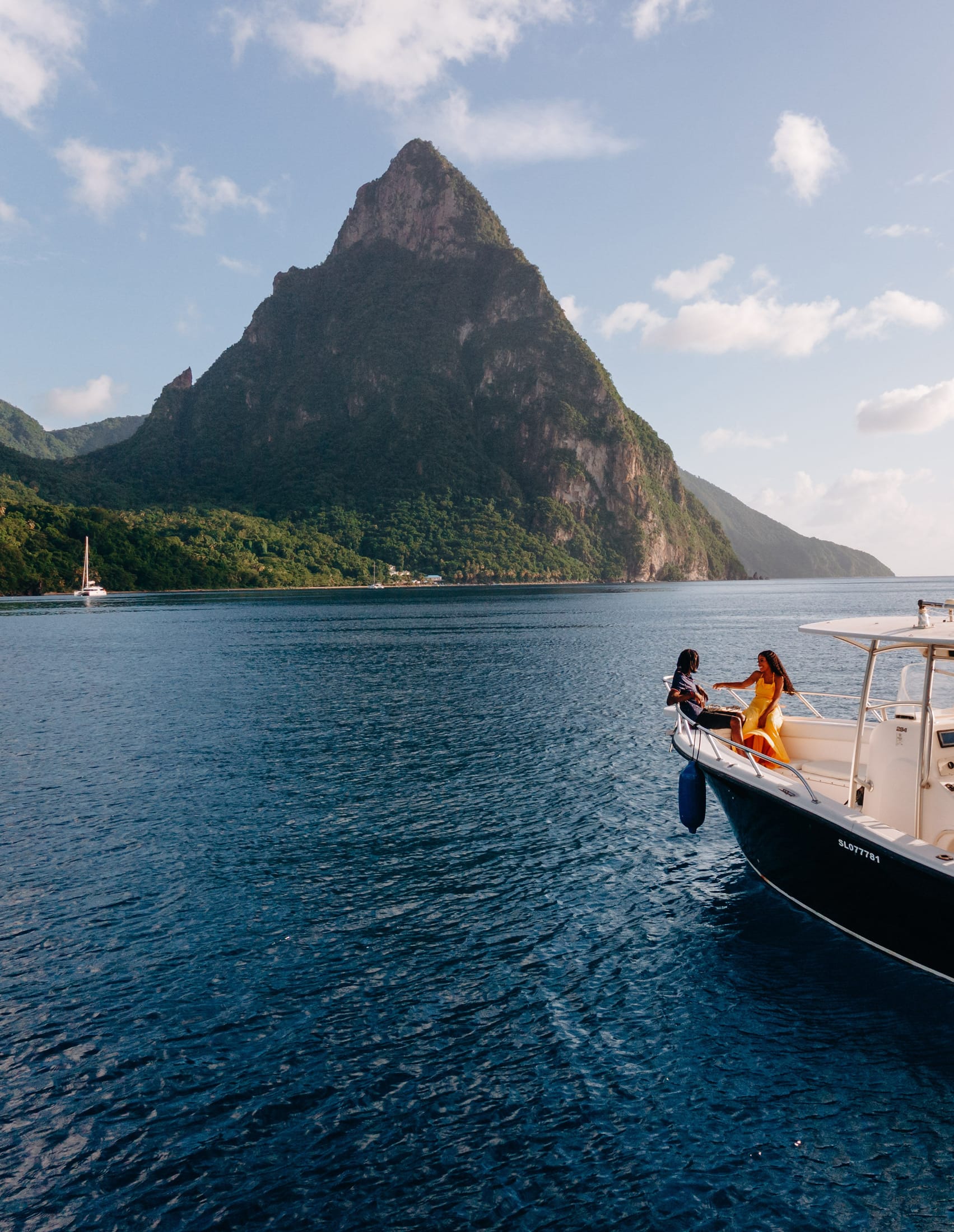
At Rabot Hotel, Club Boucan and the Luxe Lodges look towards Petit Piton. This matters because the two peaks are often described together even when only one is actually visible. Higher on Rabot Estate, the Big Nature View walk opens onto a broader panorama of the Soufrière basin, Mount Gimie and both Pitons framing the Caribbean Sea.
Alternatively, Tet Paul Nature Trail suits travellers who want wide views without committing to a summit climb. Its shorter route passes local farmland and hillside vegetation before reaching viewpoints over the Pitons and coast.
For a serious hike: Gros Piton
Gros Piton is the more established hiking choice. The route climbs through changing vegetation and rocky terrain and takes several hours. A certified local guide is required, and strong footwear, water and an early start matter more than fitting another attraction into the same morning.
Petit Piton is steeper and more technical, with exposed sections and fixed ropes. It should not be treated as a casual alternative to Gros Piton. Arrange either climb with a qualified guide and check the latest conditions before leaving.
If a climb is central to your visit, read the Saint Lucia Tourism Authority’s current Piton guidance and leave enough time to recover afterwards.
Discover cacao at Rabot Estate
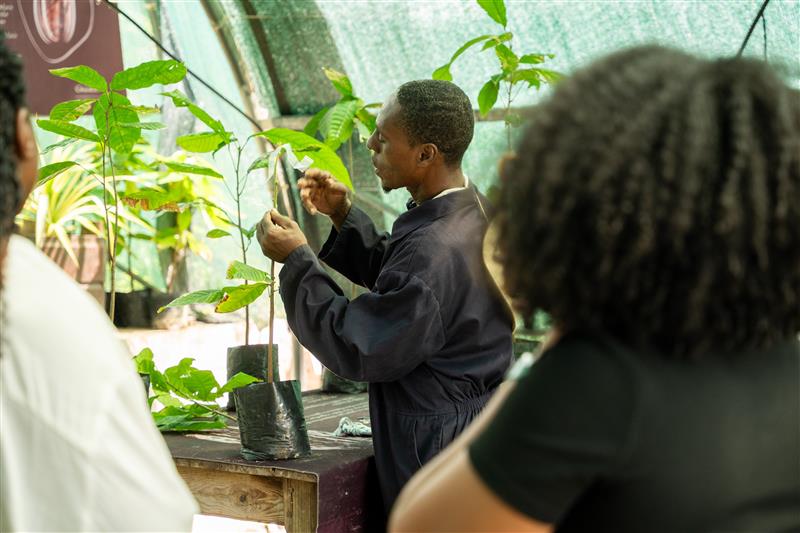
Cacao is what makes this corner of Saint Lucia unlike a conventional tropical sightseeing route. Hotel Chocolat bought the 140-acre Rabot Estate in 2006 and restored its historic cacao farm. Today, visitors can see cacao pods growing on the trees, learn why young plants are grafted and follow the process that turns fermented and dried beans into chocolate.
Project Chocolat occupies six acres of the estate and offers two different experiences. Tree to Bar is the fuller farm visit: it includes a walk through the cacao groves, grafting a cacao tree, making a chocolate bar and a market-style lunch, and takes approximately two and a half hours. Bean to Bar concentrates on the chocolate-making stage, including fresh cacao pulp and a handmade bar, in roughly one hour. Confirm the current inclusions and schedule when booking.
In addition, the work extends beyond Rabot Estate. Hotel Chocolat’s Island Growers’ Programme works with more than 50 growers, while its gentle-farming initiatives include seedlings, pruning support and organic-fertiliser workshops. That makes the cacao section of this guide more than a tasting stop: it shows how the crop is being grown and supported on the island now.
Walk through the rainforest
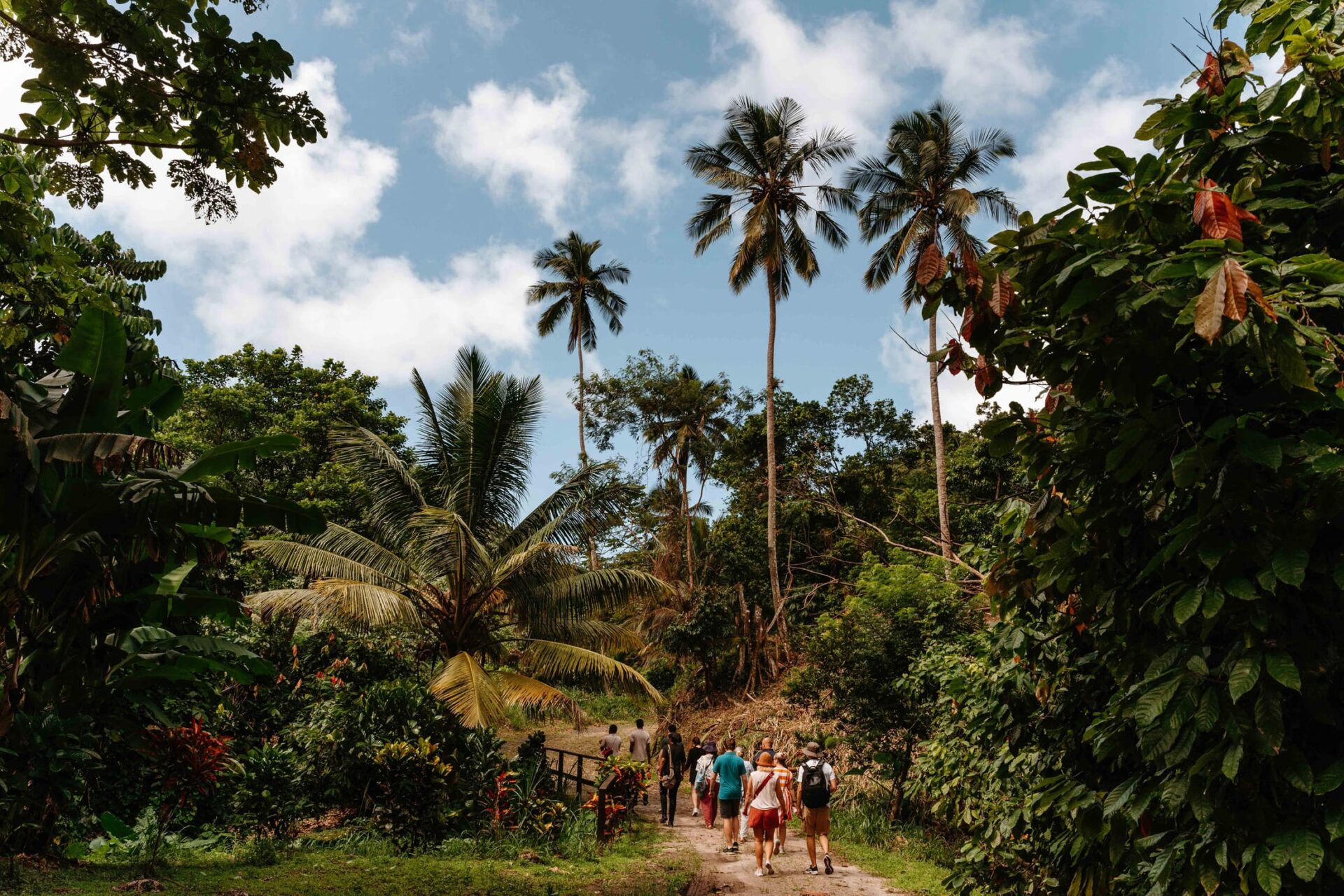
Searches for Saint Lucia hiking often point straight to the Pitons, but not every rewarding walk needs to finish on a summit. Rabot Estate has several self-guided trails, each with a different reason to choose it.
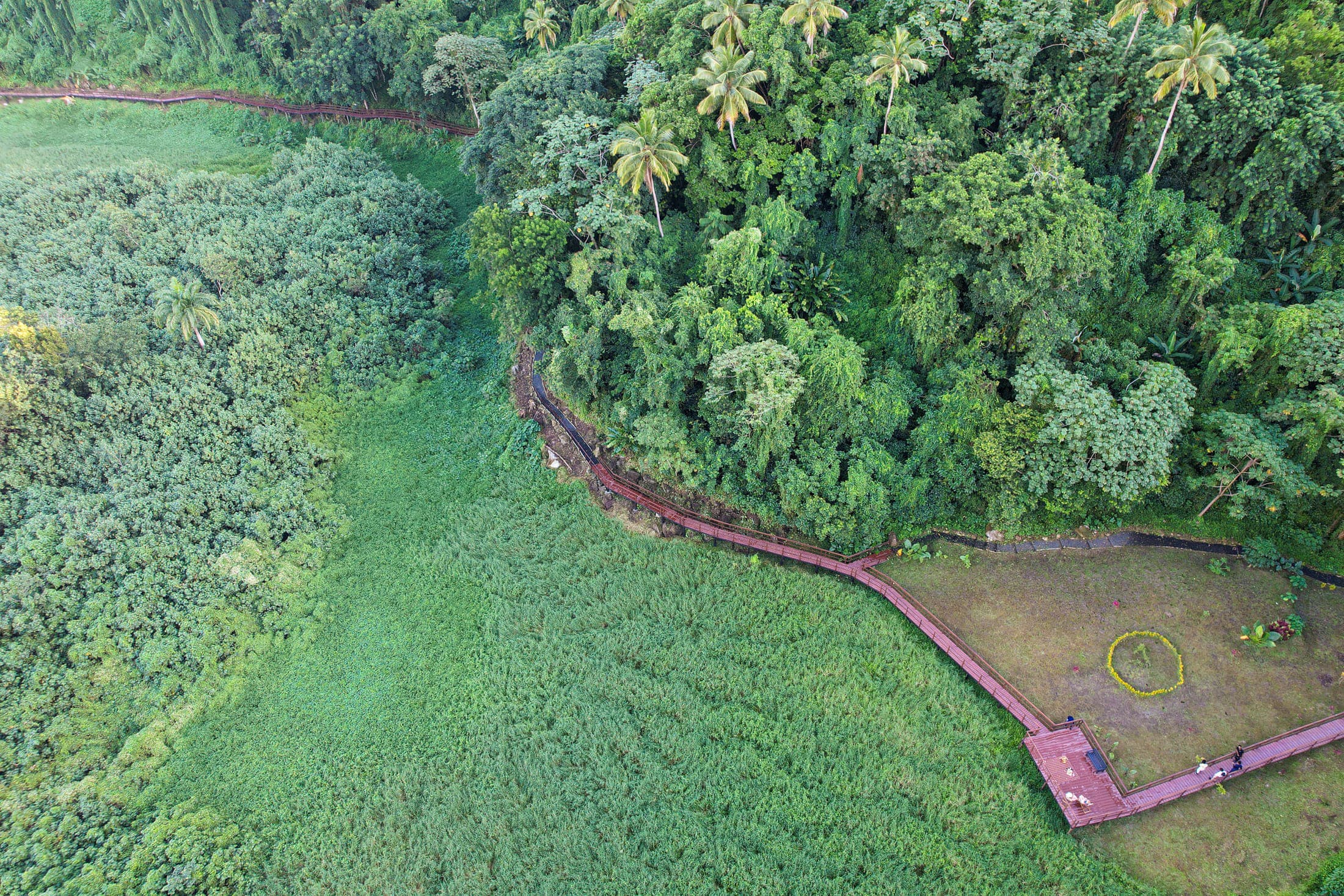
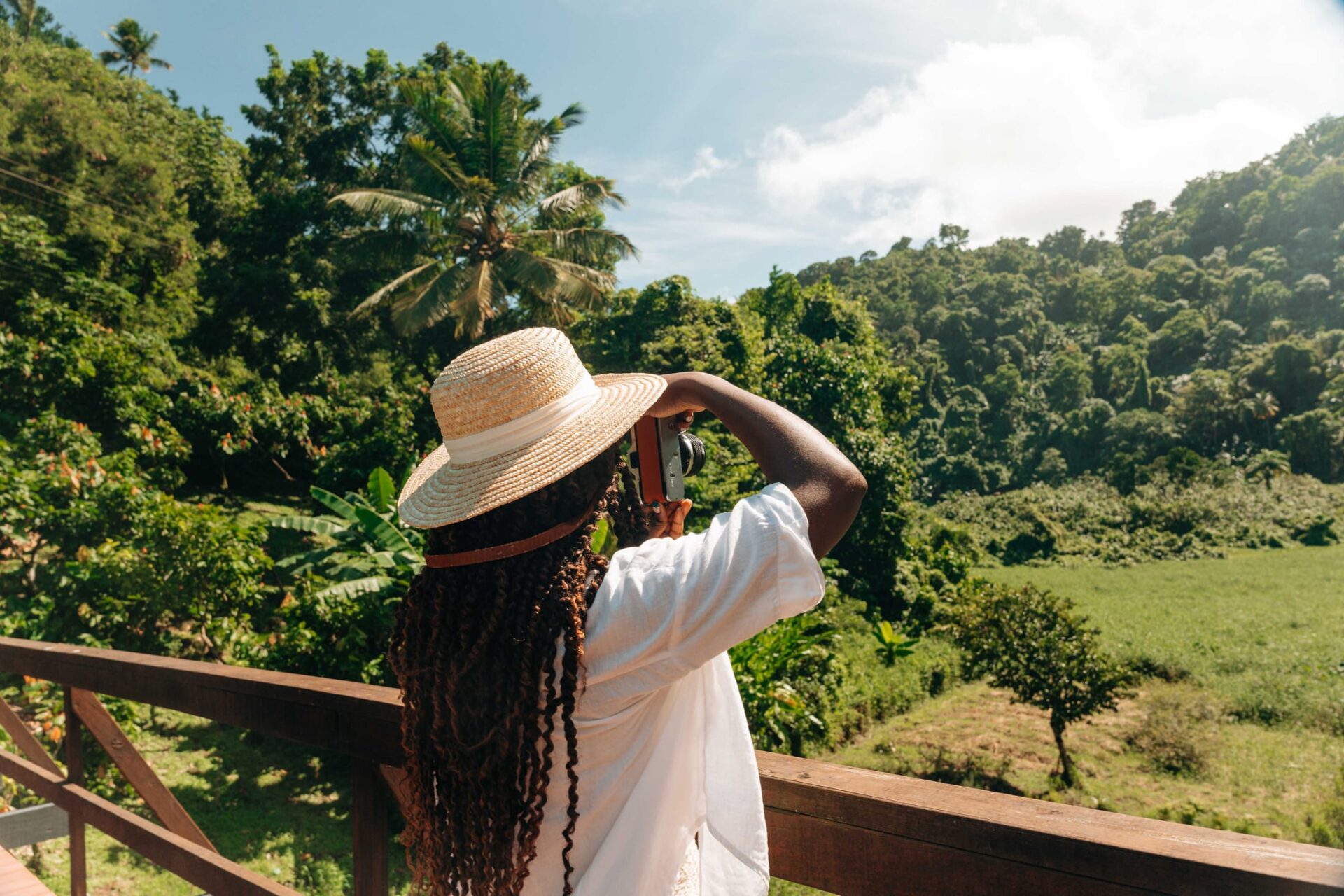
- Jurassic Trail: a shaded route past the working cacao farm and Marcial grove, followed by a boardwalk around a hidden estate lake.
- Bois Nef cacao grove walk: a look at younger cacao trees already bearing pods. Around 5pm, white egrets often gather in a favourite tree.
- Big Nature View walk: the estate’s high viewpoint, with a 360-degree outlook across the Soufrière basin, Mount Gimie, the Pitons and the Caribbean Sea.
- Old French Road: the longest estate route, following part of the old stone road used during the Battle of Rabot in 1795.
Ask for the current trail map before starting. Rain, heat and uneven ground can change how a short route feels, so take water and wear trainers or walking shoes rather than beach footwear.
Volcanic springs, waterfalls and gardens
The landscape around Soufrière is still geothermally active. At Sulphur Springs, steam escapes through vents and mud bubbles at the surface; the nearby warm mud baths turn the geology into a hands-on experience. Visit in swimwear if you plan to use the baths, and bring a change of clothes.
Waterfalls show a different side of the same volcanic system:
- Diamond Falls Botanical Gardens: a planted garden and historic mineral-bath site where deposits carried in the water give the waterfall changing colours.
- Toraille Waterfall: a 50-foot fall with relatively straightforward access and a pool beneath the cascade.
- Piton Falls: warm mineral water flowing into small pools between the Pitons.
All three can be worthwhile, but they are not interchangeable. Choose Diamond Falls for gardens and history, Toraille for the impact of a tall rainforest cascade, or Piton Falls for warm mineral water.
How to plan the best things to do in Saint Lucia’s south-west
The right mix of things to do in Saint Lucia depends on how much walking you want. One full day is enough for a first look, but two or three days give the region room to make sense. A useful plan is:
- One day: choose Project Chocolat and one viewpoint or short estate trail. This combines cacao, rainforest and a clear look at the Pitons without racing between stops.
- Two days: add Sulphur Springs and one waterfall or botanical garden. Keep the second afternoon flexible for weather or a slower lunch.
- Three days or more: add a guided Gros Piton hike, beach time or a longer rainforest experience. Avoid scheduling a strenuous climb immediately before a fixed departure.
Travellers interested mainly in food and landscape can stay close to Rabot Estate and Soufrière. By contrast, keen hikers will need more planning because guided climbs, early starts and recovery time shape the day.
Where to stay in south-west Saint Lucia
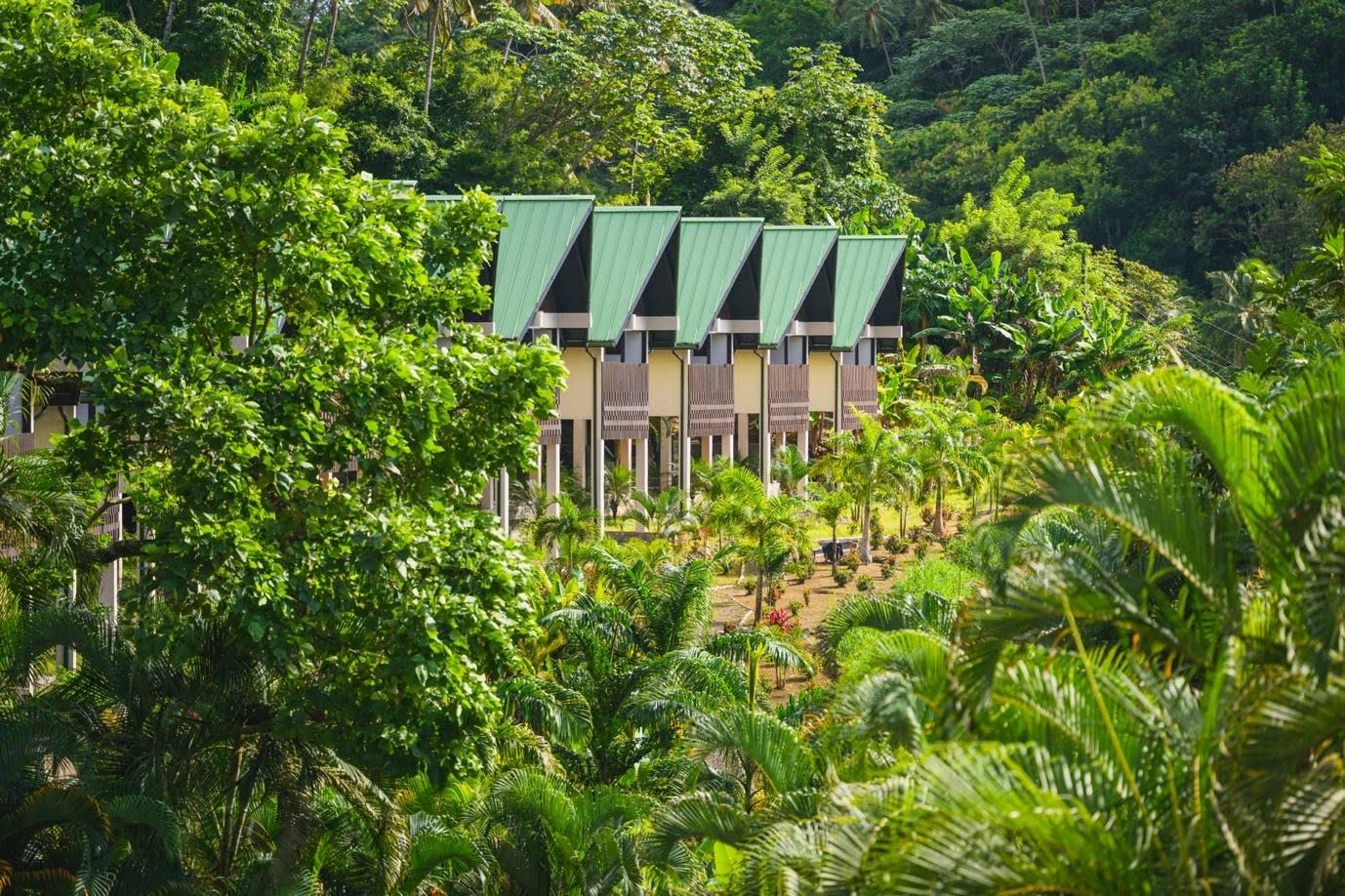
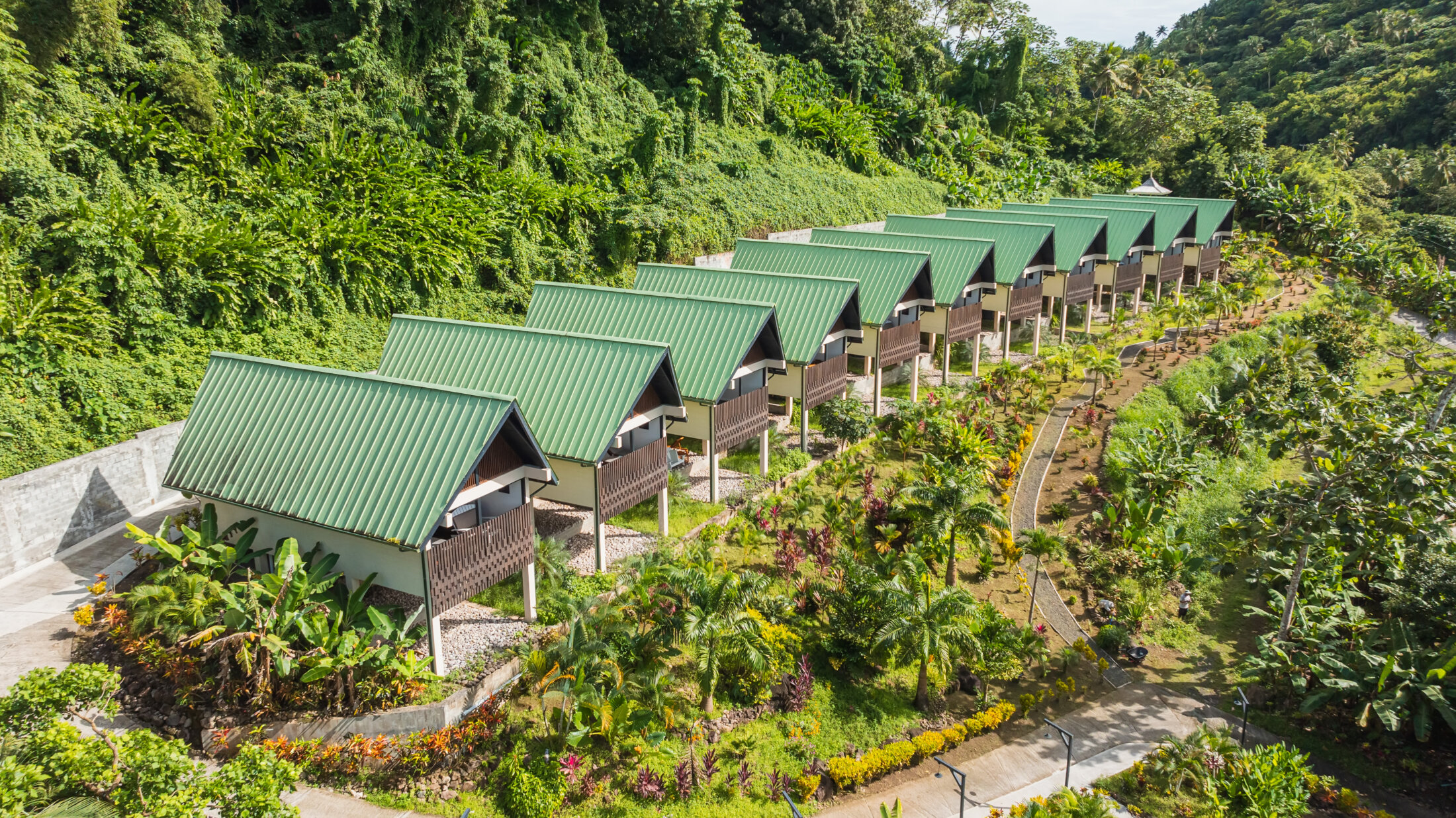
Rabot Hotel is an adults-only, open-air hotel on Rabot Estate near Soufrière. Its 25 private Lodges sit among cacao trees and tropical gardens, with Club Boucan, Beauté de Cacao spa, Rabot Restaurant, Project Chocolat and the estate trails close together.
The setting suits travellers who would rather wake to forest sounds than stay in a large beachfront complex. It also reduces travel for cacao and estate experiences. However, the trade-off is that this is a tropical, open-air and hillside environment: expect natural sounds, changing weather and some uneven ground.
The Front Desk can help with current activity schedules and island excursions. Book timed experiences in advance when they are central to the trip, especially Project Chocolat, spa treatments and guided hikes.
Frequently asked questions
The leading things to do in Saint Lucia’s south-west are seeing the Pitons, visiting Soufrière and Sulphur Springs, walking through rainforest, exploring a cacao farm, and choosing a waterfall or botanical garden. Project Chocolat brings cacao-growing and chocolate-making together on Rabot Estate.
Club Boucan and the Luxe Lodges look towards Petit Piton. The Big Nature View walk reaches a higher point on Rabot Estate with a panorama that includes both Pitons, the Soufrière basin, Mount Gimie and the Caribbean Sea.
Gros Piton has the more established hiking route, although it remains a demanding climb and requires a certified guide. Petit Piton is steeper and more technical. Neither should be attempted without current local guidance and suitable equipment.
Project Chocolat is on Rabot Estate near Soufrière. Its Tree to Bar experience covers the cacao farm and chocolate-making process, while Bean to Bar focuses on tasting cacao and making a bar. Selected experiences are open to visitors who are not staying at Rabot Hotel; advance booking is recommended.
Yes. Rabot Estate has several self-guided walks through cacao groves and forest, including the Jurassic Trail and Bois Nef walk. Conditions can change after rain, so check the current map and wear shoes with grip.
Two days allow time for Project Chocolat and a Piton viewpoint on one day, followed by Sulphur Springs and a waterfall or garden on the second. Add another day if you plan to hike Gros Piton or want unhurried beach and pool time.
Some can be visited flexibly, but guided hikes and timed experiences should be arranged in advance. Confirm current opening times, inclusions, prices and transport before travelling.
Plan your Saint Lucia stay
Rabot Estate puts cacao, rainforest walks and Petit Piton views close together. That leaves the rest of your time for the Soufrière experiences that fit your pace, rather than a hurried circuit of every stop.